Photos of Aboriginal Dancing in the Northern Territory, Australia

Aboriginal Dancing in the Northern Territory
Among the most spectacular manifestations of Aboriginal culture are the ceremonies and dances that are regularly performed in remote Outback Australia. There are cultural festivals, among them the yearly Garma Festival in Arnhem Land, the Barunga Festival in the north of the Northern Territory and a festival in Yuendumu in the Centre, where different communities come together for a few days of cultural exchange, among others.
you may then send it as a postcard if you wish.
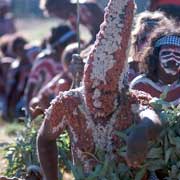
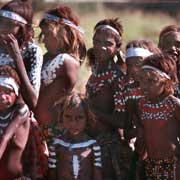
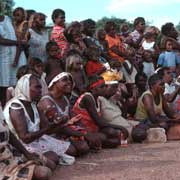
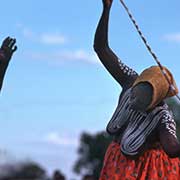
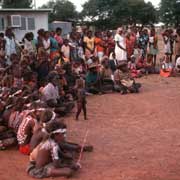
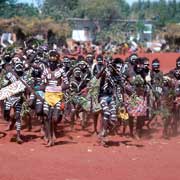
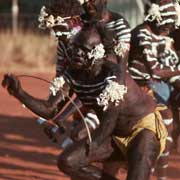
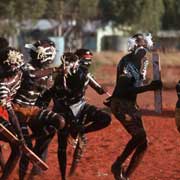
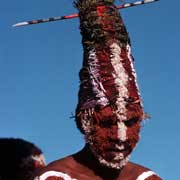
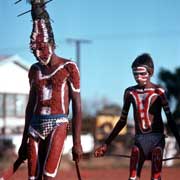
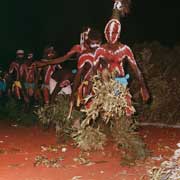
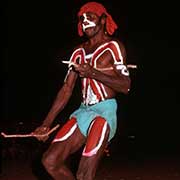
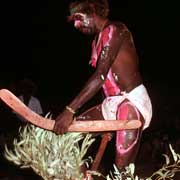
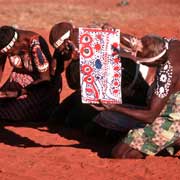
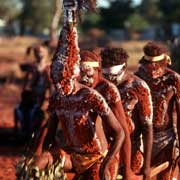
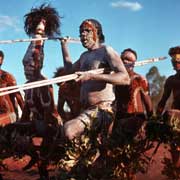
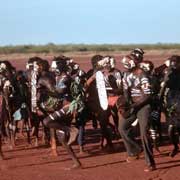
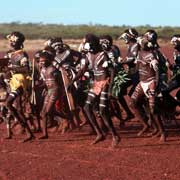
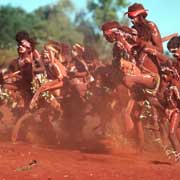
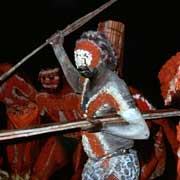
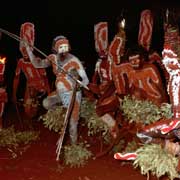
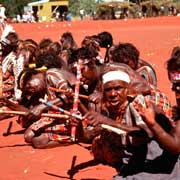
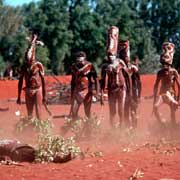
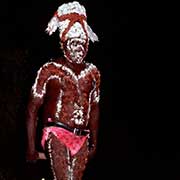
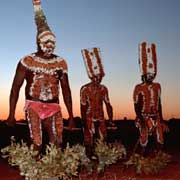
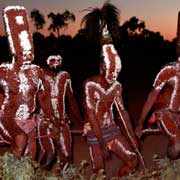
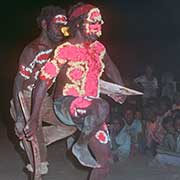
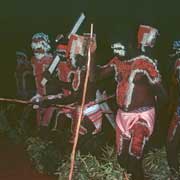
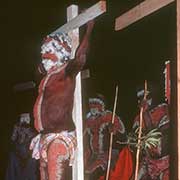

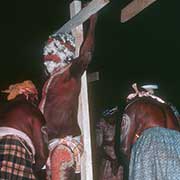
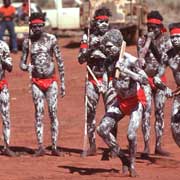
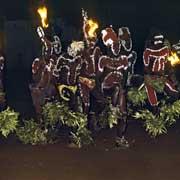
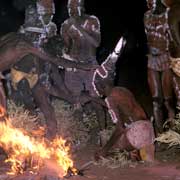
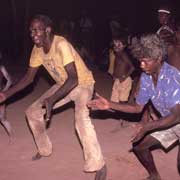
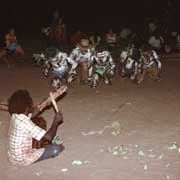
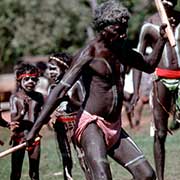
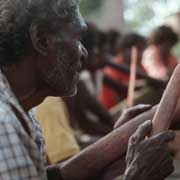
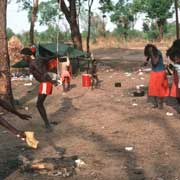
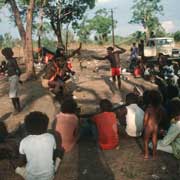
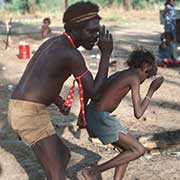
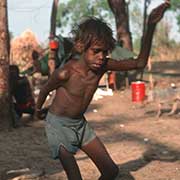
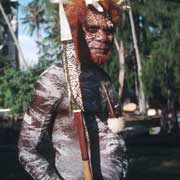
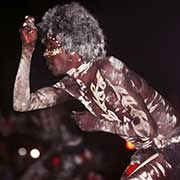
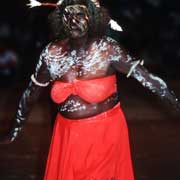
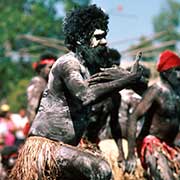
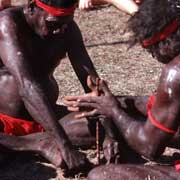
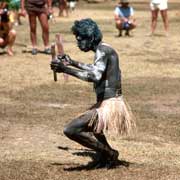
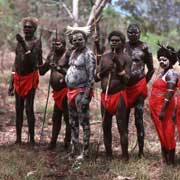
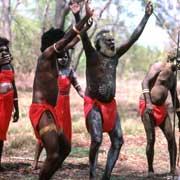
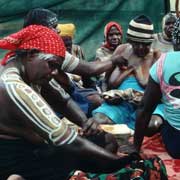
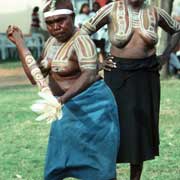
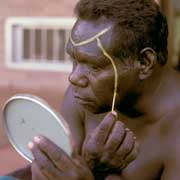
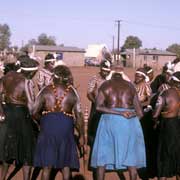
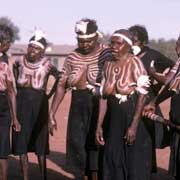
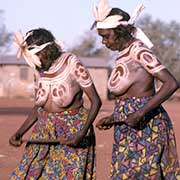
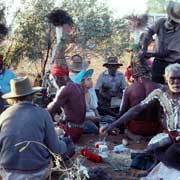
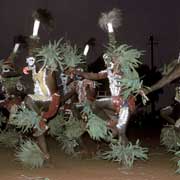
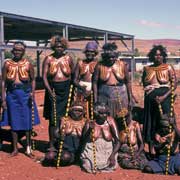
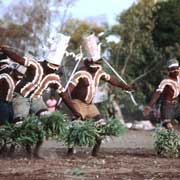
Among the peoples of central Australia a social corroboree is known as "purlapa" and usually takes the form of a stamping dance by men and boys, decorated with "wamurlu", a vegetable down (kind of wild cotton), left in its natural light grey or coloured with red ochre. This "wamurlu" is stuck to the body and the designs always reflect the "dreaming" that is sung and is unique to the kinship affiliation of the dancer. Often headdresses are built up with twigs, bound together with hair string (made from human hair) and decorated with "wamurlu" and emu feathers. Women have their own dances, often a loose-knee shuffle, while holding painted boards or sticks. Elaborate designs are painted on their upper bodies.
Traditional dances are also often performed in the communities just for fun and, for instance, to celebrate the opening of a new building or even the graduation from college. But there are also traditional dances at funerals in Top End communities, especially in Arnhem Land and on the Tiwi Islands. All dances have their roots in the "dreamings", the creation myths, sung in the old languages while the actions of the performers illustrate the deeds of the "Dreamtime Heroes", the mythical beings that created the land in the mythical past.
Social dances in the Top End are often called "bungkul" or "wungubal" and typically are very lively with jumps by the men but more demure movements by the women. Hard wooden clapsticks are used to keep time and the "didjeridu", the famous dronepipe made from a hollow log, provides a unique background sound. The didjeridu is uniquely from Arnhem Land and was, in the old days, used nowhere else. In the Tiwi Islands to the north of Darwin, dances are accompanied by chanting and hand clapping; during their fast clan dances men often slap their upper legs.